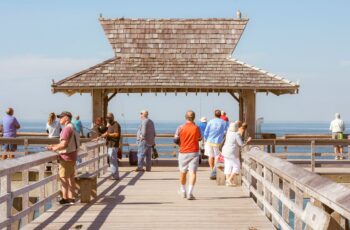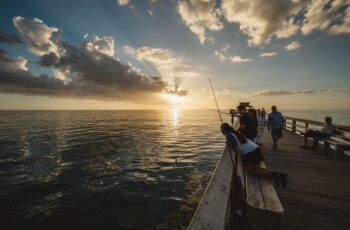
Fishing from a pier is one of the easiest and most affordable ways to enjoy saltwater fishing. In several states, anglers can fish from certain public piers without purchasing an individual fishing license. This makes pier fishing a great option for tourists, families, and beginners who want to experience fishing without additional licensing costs.
However, license exemptions vary by state, and not every pier qualifies. Some states require the pier owner to hold a blanket license that covers all anglers fishing from the structure.
In this guide, we’ll explore states where you may be able to fish from a pier without an individual fishing license and explain the rules you should know before casting a line.
Why Some Piers Don’t Require a Fishing License
Many coastal states allow certain public or licensed fishing piers to operate under a special permit. Instead of every angler purchasing a fishing license, the pier operator pays a fee that covers all fishermen using the pier.
These exemptions are designed to encourage tourism, recreational fishing, and family-friendly outdoor activities.
Even when a license is not required, anglers must still follow:
- Size limits
- Bag limits
- Seasonal closures
- Protected species regulations
Always check local regulations before fishing.
Florida
Florida is one of the most popular states for license-free pier fishing.
Many saltwater fishing piers operate under a Saltwater Pier License, which allows anglers to fish from the pier without purchasing their own Florida saltwater fishing license.
Popular examples include:
- Skyway Fishing Pier State Park
- Naples Pier
- Dania Beach Pier
- Jacksonville Beach Pier
- Cocoa Beach Pier
Visitors can catch species such as:
- Snook
- Redfish
- Spanish Mackerel
- Pompano
- Sheepshead
- King Mackerel
Always verify that the specific pier maintains a valid pier license.
South Carolina
South Carolina allows anglers to fish from many licensed public fishing piers without purchasing an individual saltwater fishing license.
Popular fishing piers include:
- Apache Pier
- Cherry Grove Pier
- Folly Beach Pier
- Pier at Garden City
Common catches include:
- Flounder
- Spot
- Whiting
- Spanish Mackerel
- Red Drum
The pier’s license generally covers all anglers fishing from the structure.
North Carolina
Several ocean piers in North Carolina operate under blanket licenses that cover anglers fishing directly from the pier.
Examples include:
- Jennette’s Pier
- Oceanana Pier
- Bogue Inlet Pier
- Avalon Pier
Popular species include:
- Bluefish
- Spanish Mackerel
- Flounder
- Sea Mullet
- Spot
Rules can vary between piers, so always check before your trip.
Georgia
Georgia offers license exemptions on certain saltwater fishing piers and public fishing facilities.
Examples include:
- St. Simons Island Pier
- Tybee Island Pier
- Public fishing areas operated under state permits
Anglers targeting:
- Redfish
- Speckled Trout
- Black Drum
- Sheepshead
may be covered under special pier regulations.
Alabama
Many public saltwater fishing piers in Alabama allow fishing without an individual saltwater license because the pier maintains a blanket license.
Popular examples include:
- Gulf State Park Pier
- Orange Beach area piers
Common catches:
- Spanish Mackerel
- Pompano
- Redfish
- Flounder
Always confirm current regulations before fishing.
California
California provides a unique benefit for ocean pier anglers.
Anyone may fish from a public ocean pier without a California fishing license.
This exemption applies only to qualifying public ocean piers.
Popular examples include:
- Santa Monica Pier
- Oceanside Pier
- Huntington Beach Pier
- Pacifica Pier
- Newport Pier
Species commonly caught include:
- Halibut
- Mackerel
- Surfperch
- Bat Rays
- Bonito
This makes California one of the most accessible states for beginner pier anglers.
Other States With Potential Pier Exemptions
Depending on local regulations and permits, certain piers in the following states may offer license-free fishing opportunities:
Because regulations frequently change, anglers should verify requirements with state wildlife agencies and pier operators before fishing.
Important Rules to Remember
Even if a fishing license is not required:
Follow Size and Bag Limits
Fish must still meet legal size requirements, and daily harvest limits apply.
Respect Protected Species
Certain fish species may be protected or have seasonal restrictions.
Stay Within Pier Boundaries
License exemptions often apply only while fishing directly from the licensed pier.
Check Local Rules
Regulations can change yearly and may differ between individual piers.
Tips for First-Time Pier Anglers
If you’re new to pier fishing:
- Arrive early for the best fishing spots.
- Bring a medium-action rod and spinning reel.
- Use fresh bait whenever possible.
- Check tide charts before fishing.
- Watch local anglers to learn productive techniques.
- Keep a cooler for legal catches.
Many of the best fishing piers also offer bait shops, tackle rentals, cleaning stations, and family-friendly amenities.
Final Thoughts
Fishing from a licensed public pier can be one of the easiest ways to enjoy saltwater fishing without purchasing an individual fishing license. States such as Florida, South Carolina, North Carolina, Georgia, Alabama, and California offer excellent opportunities for anglers to cast a line from designated piers while avoiding additional licensing requirements.
Before your trip, always verify the latest regulations with the pier operator and state wildlife agency. Rules can change, and some exemptions apply only to specific licensed piers.
With hundreds of great fishing piers across the United States, license-free pier fishing remains one of the most affordable and enjoyable ways to get started in the sport.